buying guide
How to Read a Jewellery Price Tag
JewelERP Studio · 30 July 2026

Most jewellery is still sold with a single number on a tag. That number hides four separate things, and knowing them changes how you buy.
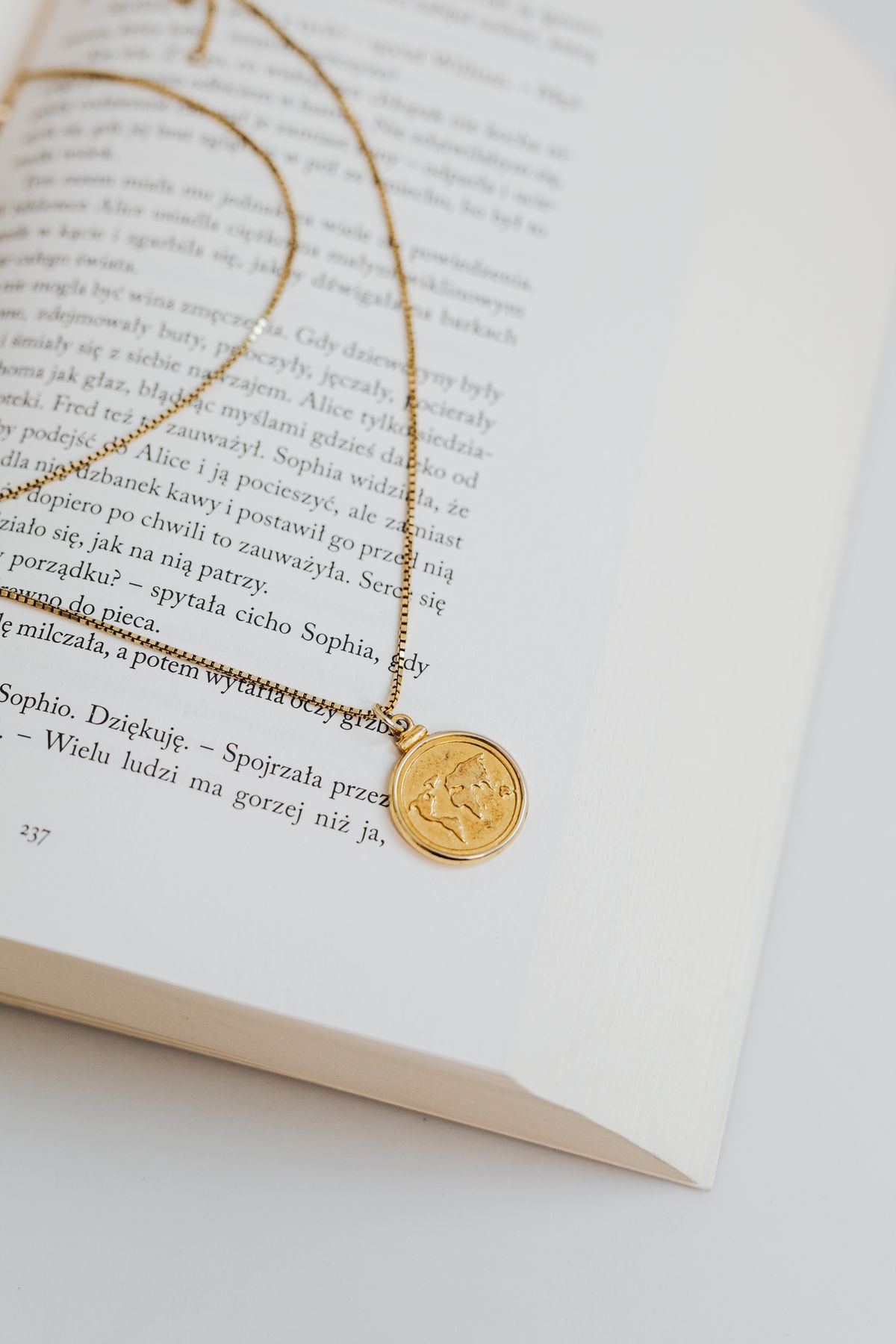
The first is metal value: the day's rate per gram multiplied by the piece's net weight, adjusted for purity. A 22K piece is 91.6% gold, so its per-gram rate is proportionally lower than 24K. This is the largest part of most gold bills and the part that moves daily with the bullion market.
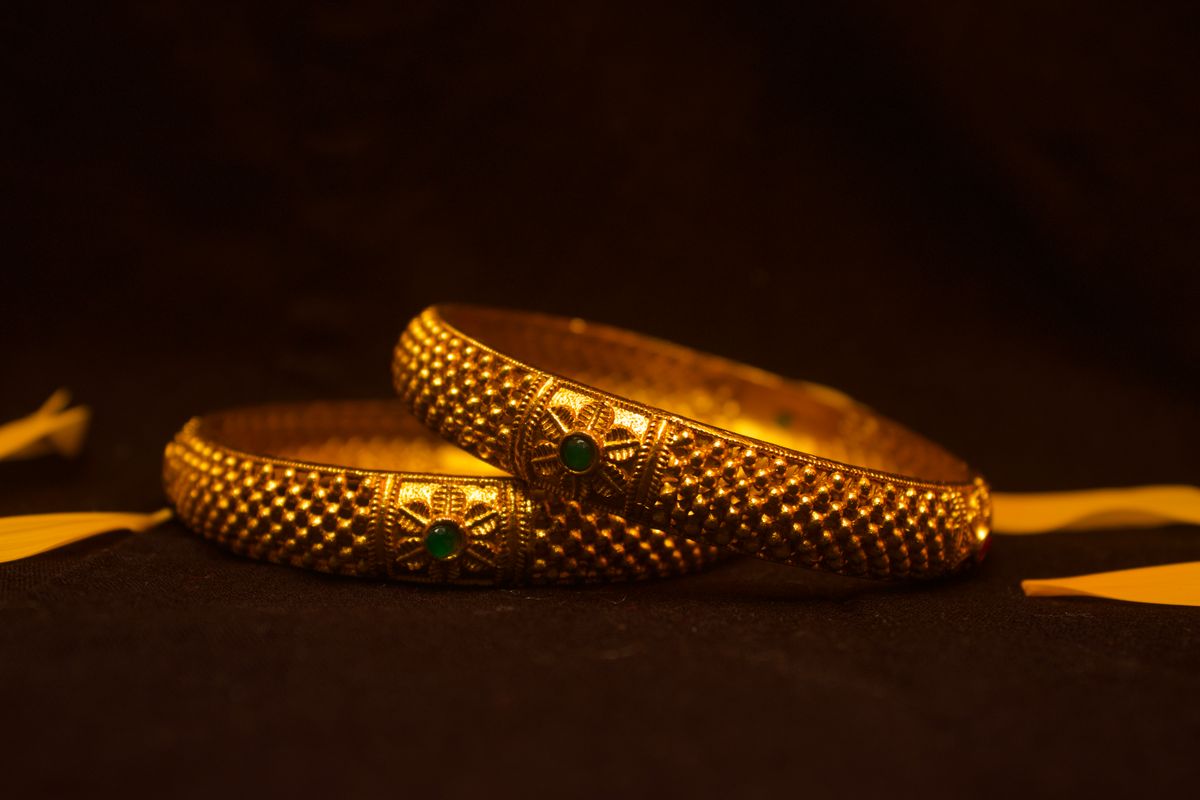
The second is the making charge — the craftsmanship of turning raw metal into a finished piece. It varies with design complexity: a plain band carries far less than a temple necklace with hand-set detail. Ask whether it is a percentage of metal value or a flat amount, because the two behave very differently as the gold rate moves.
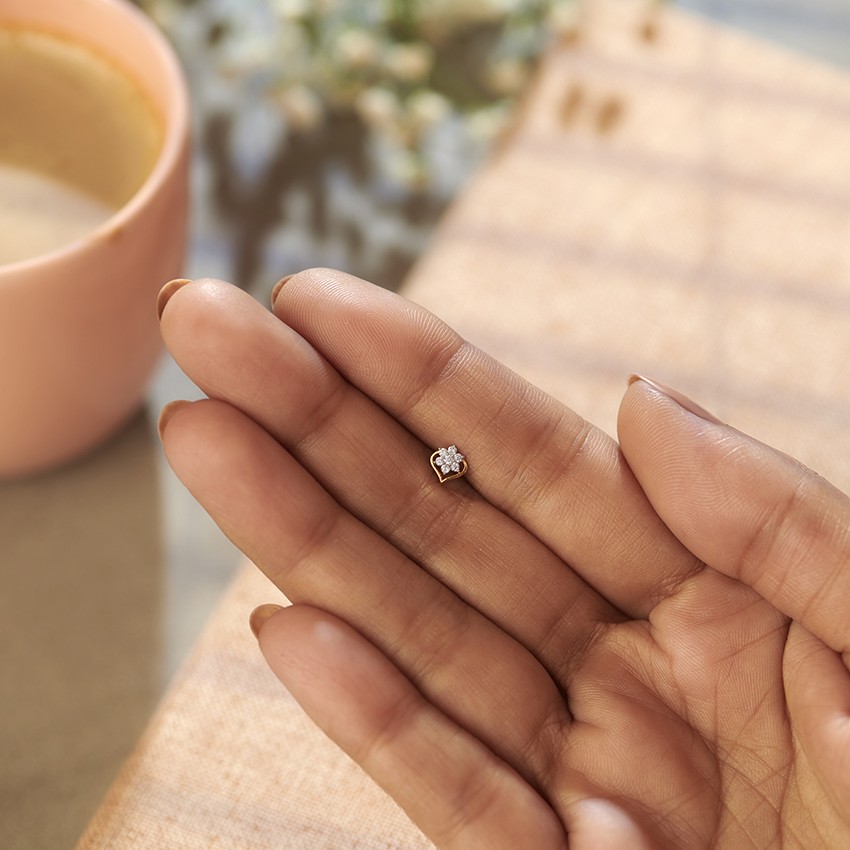
The third is stone value, quoted per stone rather than by weight of metal. Diamonds and gemstones do not follow the gold rate at all, so this figure should stay steady between visits.
The fourth is tax. GST of 3% applies on the value of gold jewellery, with 5% on making charges when they are billed separately.
On every product page here, those four lines are shown separately and recalculated against the live rate each time you visit. If a total looks different from last week, the breakdown will tell you exactly which line moved.